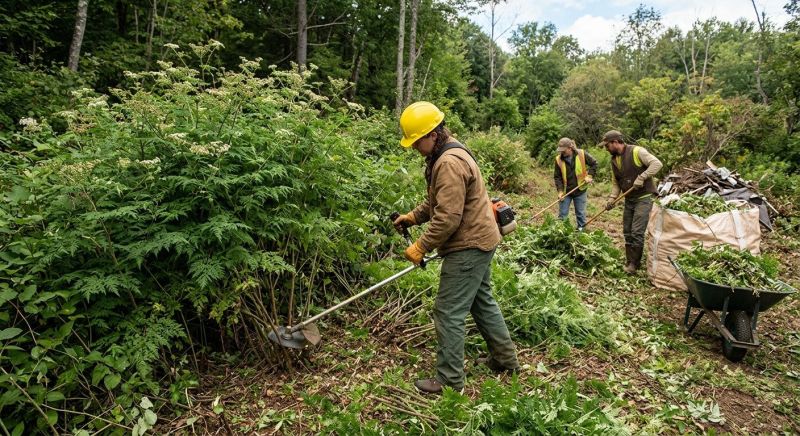
Hemlock Removal in Philadelphia, PA
Hemlock removal services involve the careful and efficient removal of hemlock trees that may pose risks to property or safety. This service covers a range of projects, including removing damaged or diseased trees, clearing land for development or landscaping, and preventing the spread of pests or invasive species. Property owners typically seek this service to eliminate trees that are hazardous due to instability, proximity to structures, or health concerns, ensuring safety and maintaining the aesthetic appeal of the property.
Before requesting hemlock removal, property owners should consider factors such as the size and location of the trees, the reason for removal, and any potential impact on surrounding landscapes. Understanding the extent of the work needed and any local regulations or restrictions can help facilitate a smoother process. Consulting with professionals can provide clarity on proper removal techniques and ensure that the project aligns with property goals and safety standards.
Many property owners in Philadelphia, PA look into Hemlock Removal for repairs, replacements, upgrades, and appearance-related improvements.
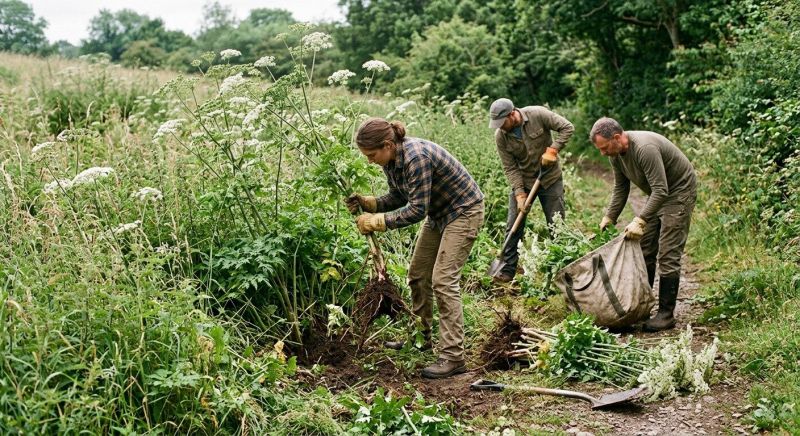
Reasons To Remove Hemlocks
Hemlock removal can improve the safety and appearance of residential and commercial properties in philadelphia.
Signs Hemlocks Need Removal
Indicators include disease, storm damage, or overgrowth that threatens nearby structures or other plants.
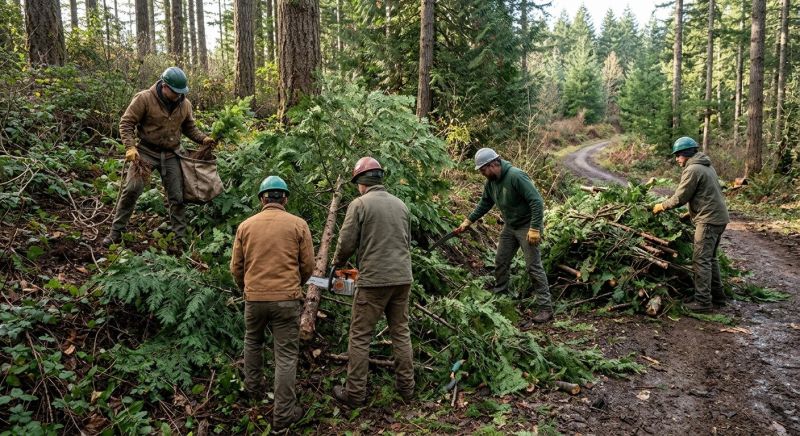
Hemlock Removal Process
Proper removal involves careful planning to prevent damage to surrounding landscape and ensure safety.
Hemlock Removal in Philadelphia, PA

Hemlock removal services involve the careful and efficient removal of hemlock trees that may pose risks to property or safety. This service covers a range of projects, including removing damaged or diseased trees, clearing land for development or landscaping, and preventing the spread of pests or invasive species. Property owners typically seek this service to eliminate trees that are hazardous due to instability, proximity to structures, or health concerns, ensuring safety and maintaining the aesthetic appeal of the property.
Before requesting hemlock removal, property owners should consider factors such as the size and location of the trees, the reason for removal, and any potential impact on surrounding landscapes. Understanding the extent of the work needed and any local regulations or restrictions can help facilitate a smoother process. Consulting with professionals can provide clarity on proper removal techniques and ensure that the project aligns with property goals and safety standards.
Many property owners in Philadelphia, PA look into Hemlock Removal for repairs, replacements, upgrades, and appearance-related improvements.
Common Hemlock Removal Jobs
Hemlock removal - clearing overgrown hemlock trees to improve landscape health.
Invasive tree removal - eliminating problematic hemlocks that threaten native plant life.
Hazard tree removal - removing dead or unstable hemlocks to prevent property damage.
Property clearing - removing hemlocks to create open space for new landscaping projects.
Stump grinding - grinding down leftover hemlock stumps for safe and level terrain.
Selective tree removal - targeting specific hemlocks to maintain landscape aesthetics.
Hemlock Removal Questions
Why should Hemlock trees be removed? Hemlock trees may be removed to prevent disease spread, reduce safety hazards, or improve landscape aesthetics.
What signs indicate a Hemlock tree needs removal? Signs include significant dieback, pest infestation, or structural instability that poses a risk to property or safety.
Is Hemlock removal suitable for all property types? Hemlock removal can be performed on residential and commercial properties where the tree's condition or location warrants it.
What are common reasons for removing Hemlock trees? Common reasons include disease management, safety concerns, or to make space for new landscaping projects.
Request Hemlock Removal in Philadelphia, PA
Use the quote form on this page to share the basics of your project and request more information for the type of work you need.