Poison Ivy Removal in Bucks County, PA
Poison ivy removal services help property owners safely eliminate this common plant that can cause skin irritation and allergic reactions. These services typically involve identifying and carefully removing poison ivy from yards, gardens, fences, and other outdoor areas. Whether clearing overgrown patches, managing plants near walkways, or preventing the spread to landscaped areas, professional removal ensures the plant is properly and thoroughly removed to reduce the risk of contact or regrowth.
Property owners often want to understand what the removal process entails, including the methods used and the areas covered. It’s important to consider the extent of the infestation, the accessibility of affected areas, and any nearby plants or structures that might be impacted. Clarifying these details helps determine the best approach for safe and effective poison ivy removal, ensuring outdoor spaces are safer for family, pets, and visitors.
Many property owners in Bucks County, PA look into Poison Ivy Removal for repairs, replacements, upgrades, and appearance-related improvements.
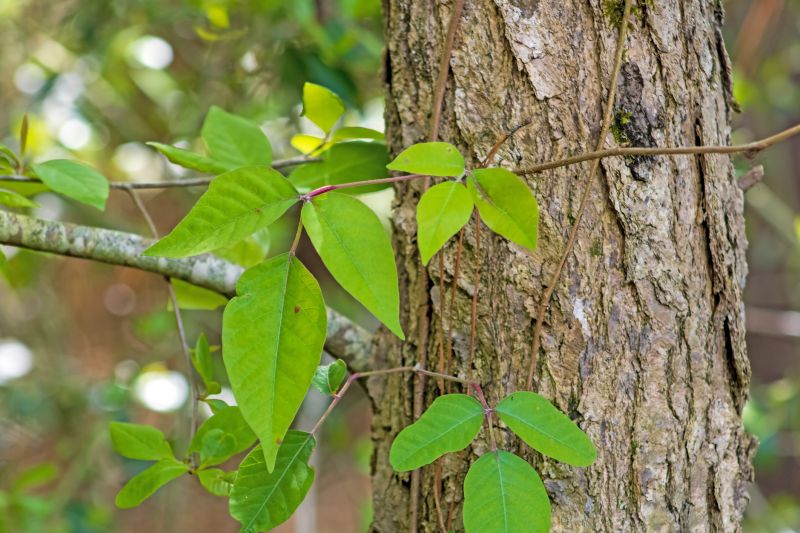
Identifying Poison Ivy
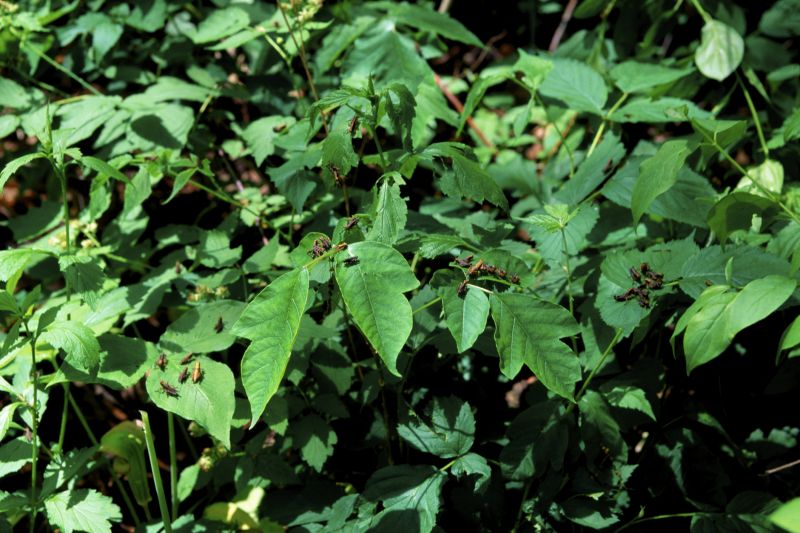
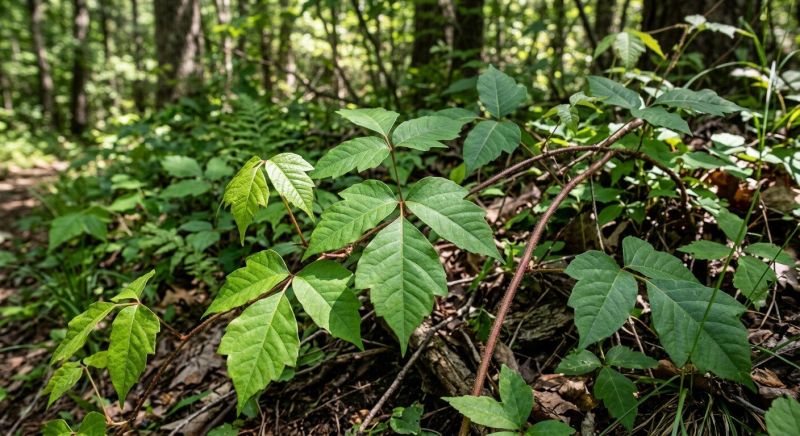
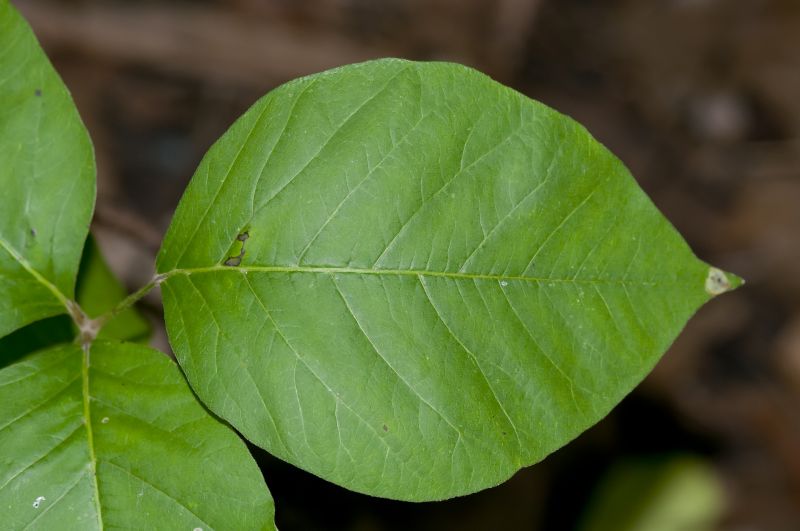
Recognizing the signs of poison ivy on residential and commercial properties in bucks county helps prevent skin contact and further spread.
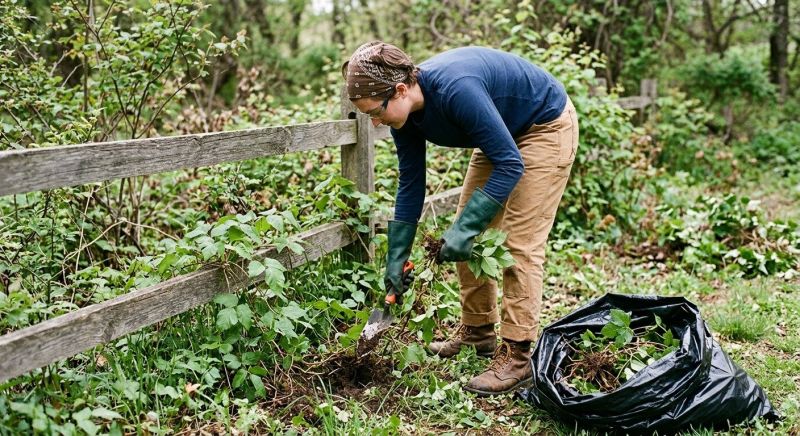
Safe Removal Techniques
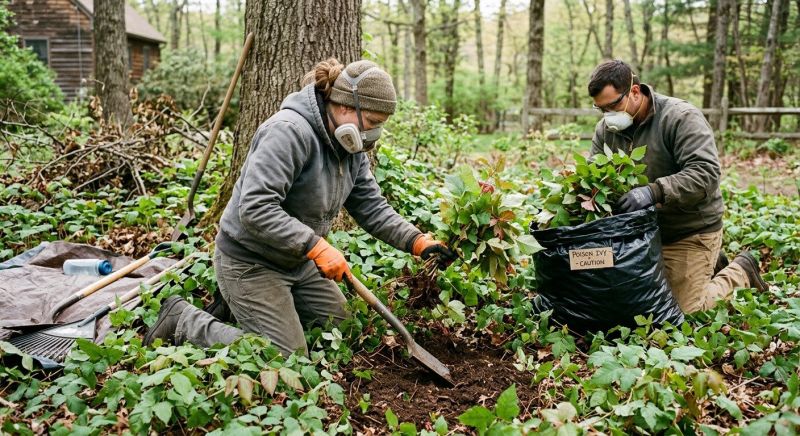
Professional removal methods ensure poison ivy is cleared safely without damaging surrounding plants or landscaping.
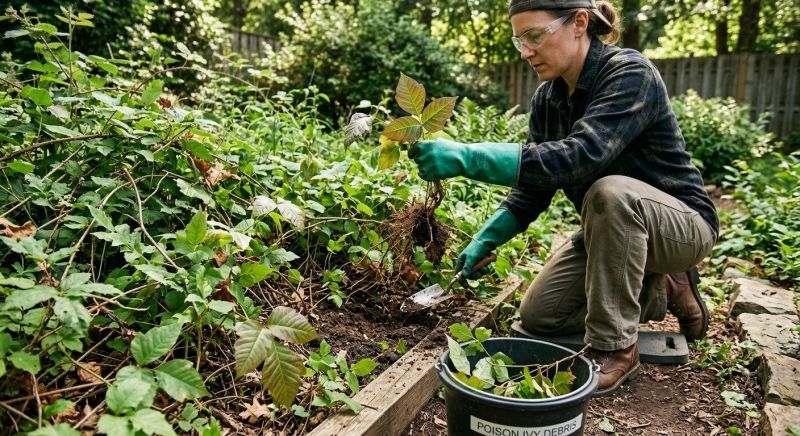
Property Maintenance Tips
Regular inspection and prompt removal of poison ivy can protect families and visitors on bucks county properties.
Poison Ivy Removal in Bucks County, PA
Poison ivy removal services help property owners safely eliminate this common plant that can cause skin irritation and allergic reactions. These services typically involve identifying and carefully removing poison ivy from yards, gardens, fences, and other outdoor areas. Whether clearing overgrown patches, managing plants near walkways, or preventing the spread to landscaped areas, professional removal ensures the plant is properly and thoroughly removed to reduce the risk of contact or regrowth.
Property owners often want to understand what the removal process entails, including the methods used and the areas covered. It’s important to consider the extent of the infestation, the accessibility of affected areas, and any nearby plants or structures that might be impacted. Clarifying these details helps determine the best approach for safe and effective poison ivy removal, ensuring outdoor spaces are safer for family, pets, and visitors.
Many property owners in Bucks County, PA look into Poison Ivy Removal for repairs, replacements, upgrades, and appearance-related improvements.
Common Poison Ivy Removal Jobs
Poison Ivy Removal - Safe elimination of poison ivy from yards and landscape areas.
Yard Clearing - Removing poison ivy from overgrown or wooded sections of the property.
Fence Line Clearing - Clearing poison ivy along property boundaries and fences.
Landscape Maintenance - Managing and controlling poison ivy growth in garden beds and lawns.
Trail and Pathway Clearing - Removing poison ivy from walking paths and outdoor trails.
Property Cleanup - Full removal of poison ivy to prevent future regrowth and ensure safety.
Poison Ivy Removal Questions
What is poison ivy removal? Poison ivy removal involves safely eliminating the plant from residential or commercial properties to prevent skin irritation and environmental spread.
Why should poison ivy be removed? Removing poison ivy reduces the risk of skin contact and allergic reactions, especially in areas with frequent outdoor activity.
What types of projects typically require poison ivy removal? Common projects include clearing overgrown yards, maintaining landscaped areas, and preparing properties for new construction or landscaping.
Is professional removal necessary? Professional removal ensures safe and effective elimination, minimizing the risk of plant spread and exposure to irritating oils.
Request Poison Ivy Removal in Bucks County, PA
Use the quote form on this page to share the basics of your project and request more information for the type of work you need.